
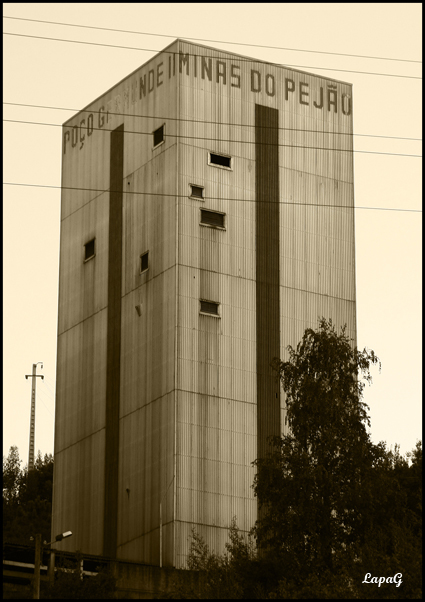
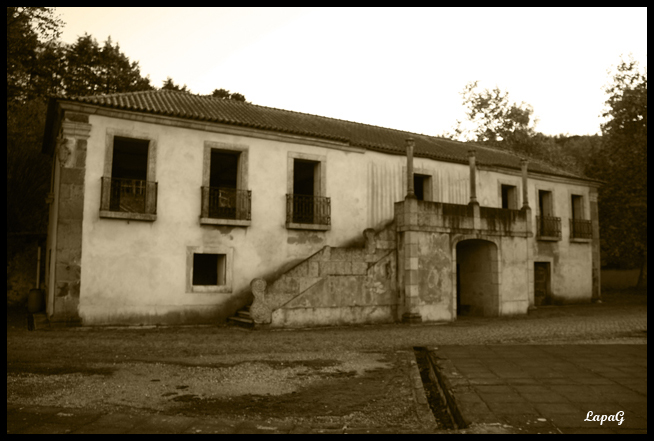
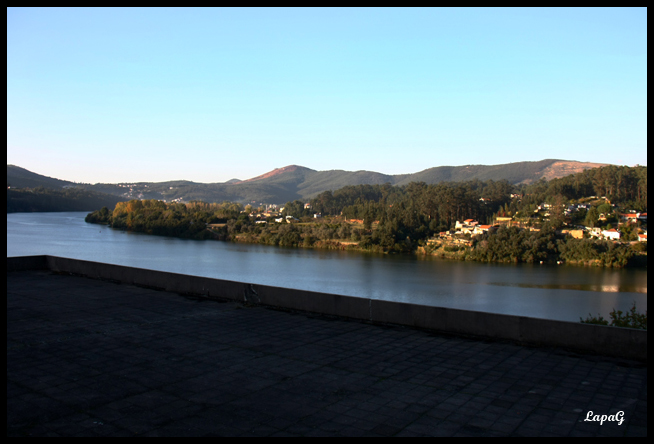
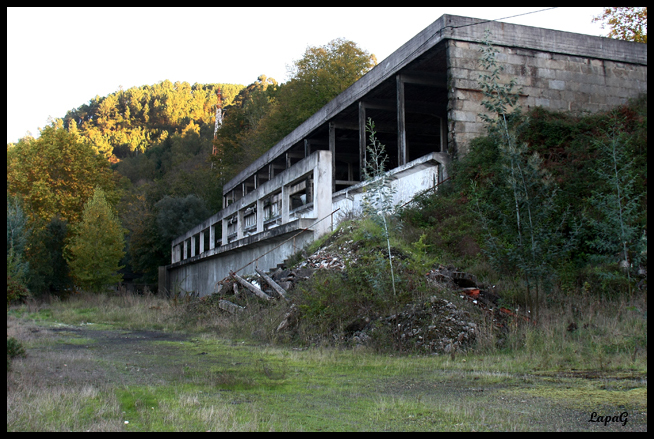
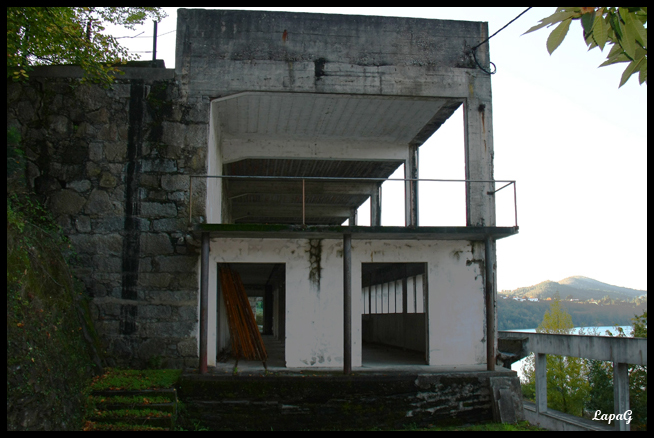
Today, I bring you a short article on the old Mines Pejão, located in Place Germunde, parish of Pedorido , Castelo de Paiva.
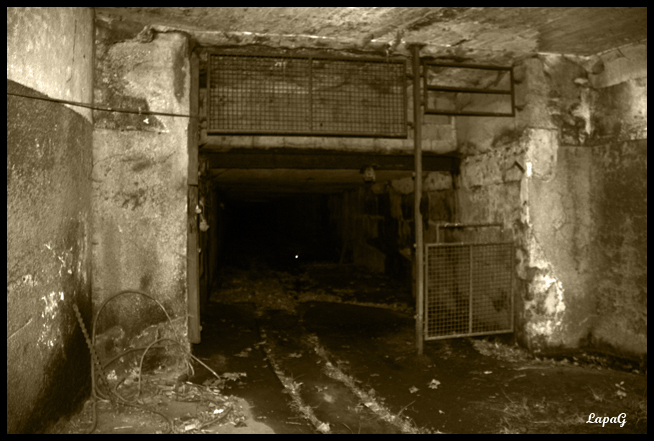
Before beginning the history of this great industrial structure information, I let my acknowledgments to 3 inhabitants of the town of Pedorido, Srs. José Luis, seu tio (former foreman of the mines) and the Mr.. Augustine, current guard those facilities. The availability of this sr. was huge since it purposely moved his home to open in the “doors” access to facilities .Without their goodwill would not enter that large room for the photos always desirable, although the day is already in its decline.
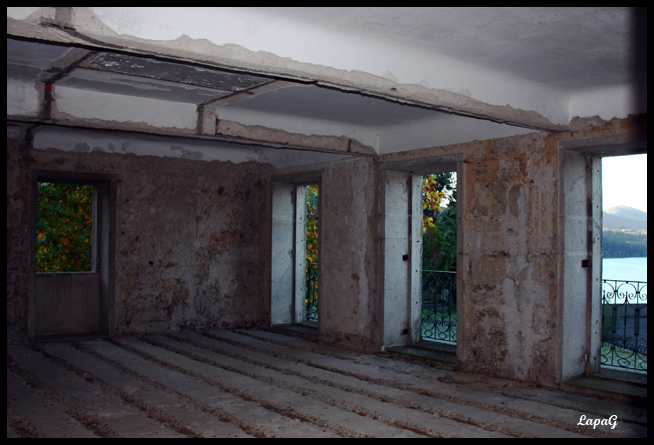
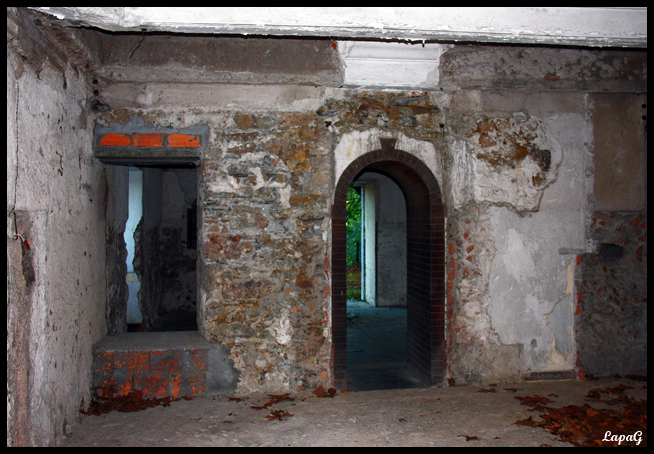
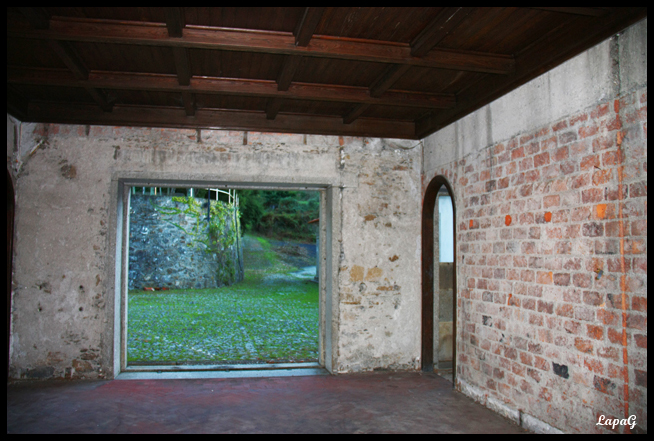
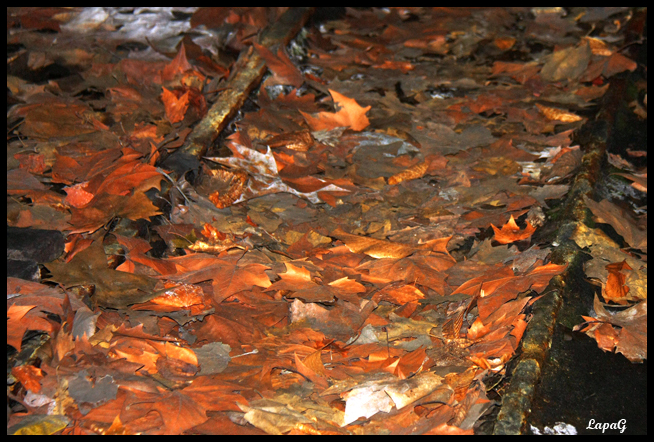
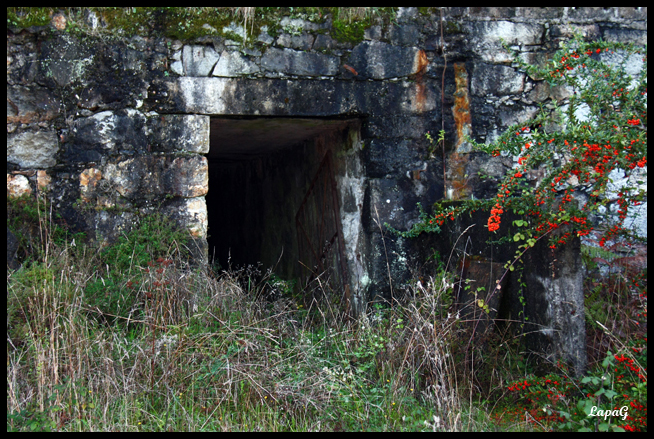
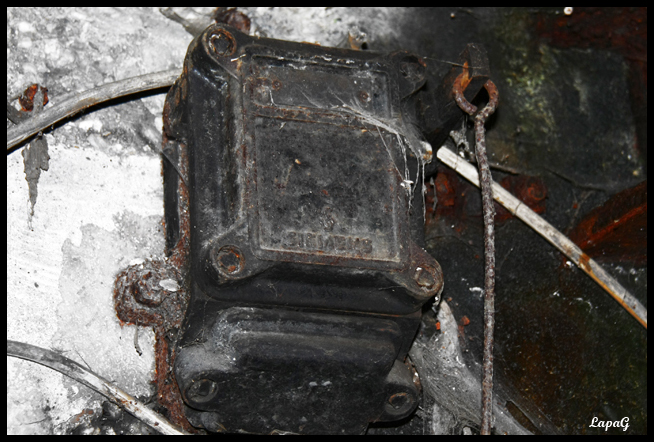
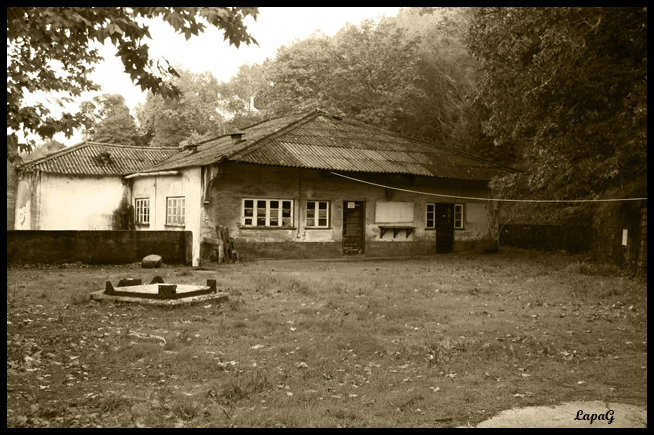
Lightening checked who was inside a large industrial structure with a huge area full of trees. Signs of the welfare of those who lived and worked there were still present social, as can be seen from the photos.
History
The history of Couto Miner Pejão begins in 1859. The oldest date from concessions 1884, date from which the work has begun prospecting, research and subsequent underground exploration.
Between 1908/1917, the mines were exploited by the Portuguese Coal Company and the Anglo-Portuguese Colliers, Lda. However, in 1917 Company was founded Douro Carboniferous, Lda, which started to explore that concession.
The First World War took place between 1914-1918 gave the first great impetus to the exploration. The constant demand for this mineral resulted in the existence of other outcrops of coal, giving rise to the existence of several mines, such as: Folgoso, São Domingos, Arda, Serrinha, Paraduça and that Germunde, together with the Pejão, formed called the Miner Couto Pejão.
Em1933, The COMPANY Douro Carboniferous went bankrupt and was acquired by a group led by Belgian Jean Tyssen. It was during the period of his administration that the company has undergone tremendous development, or in production, both in terms of development of infrastructure and, especially, social level.
During World War II and in the early after-war, the company went through a period of great development with two mines in continuous operation.
Em1977 aexploração was acquired by the Portuguese State and 1984 passes into the hands of Ferrominas, through an arrangement concluded between the IPE and that entity.
In 31 December 1994, Mines of Pejão were officially closed.
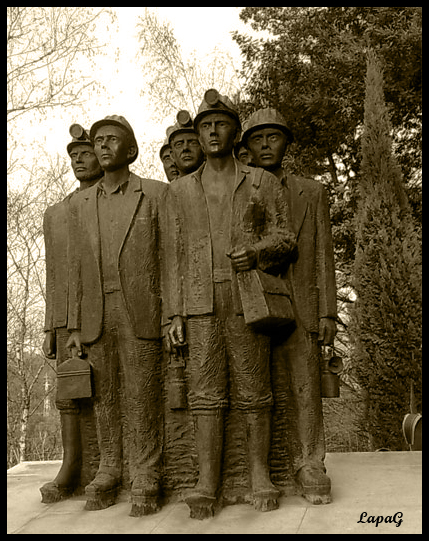
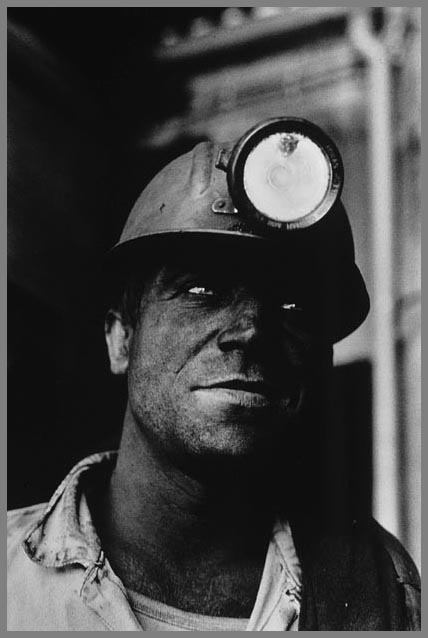
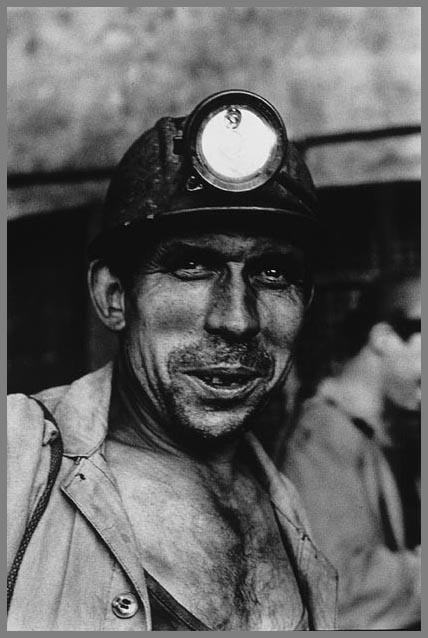
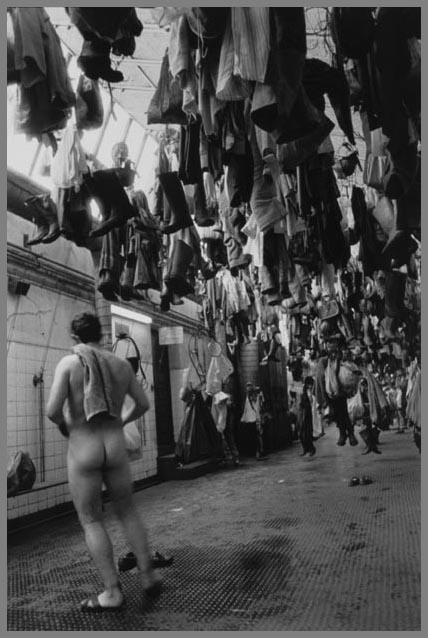
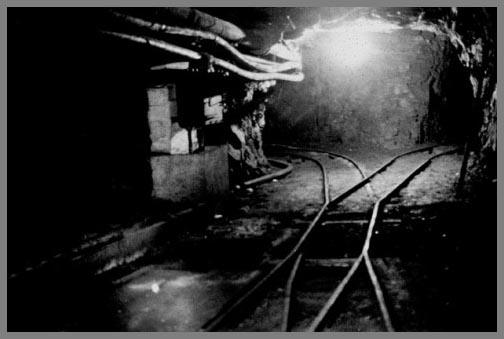
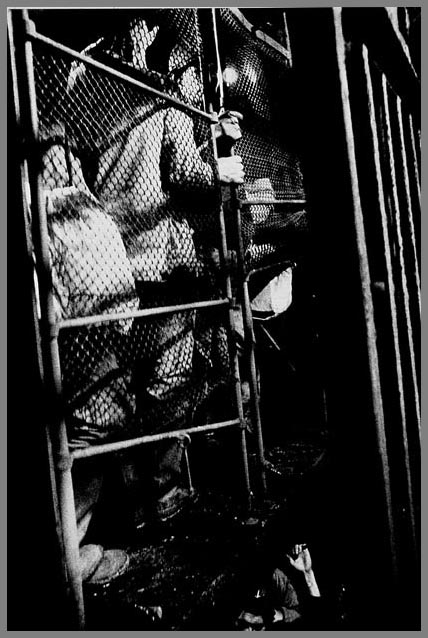
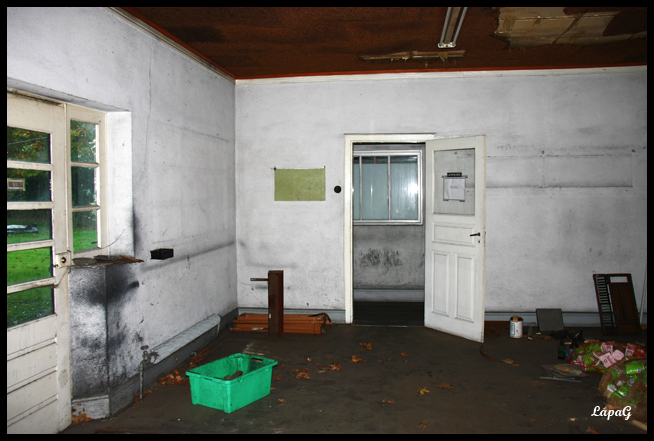
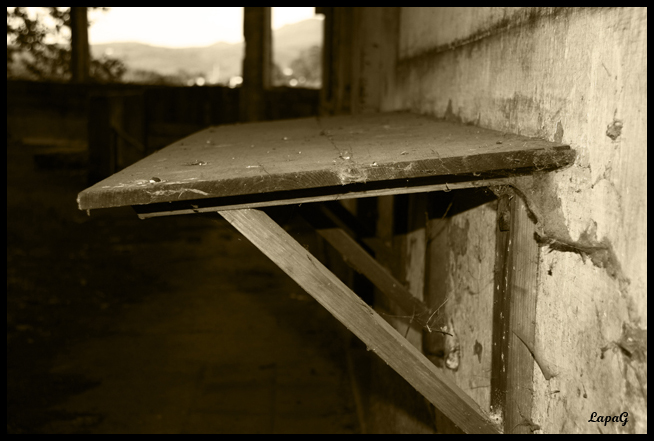
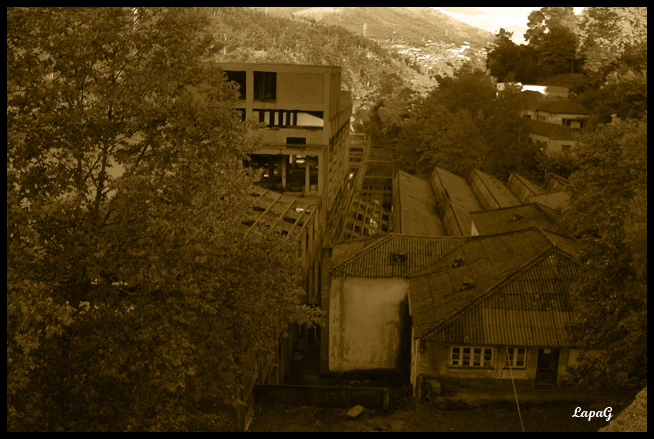
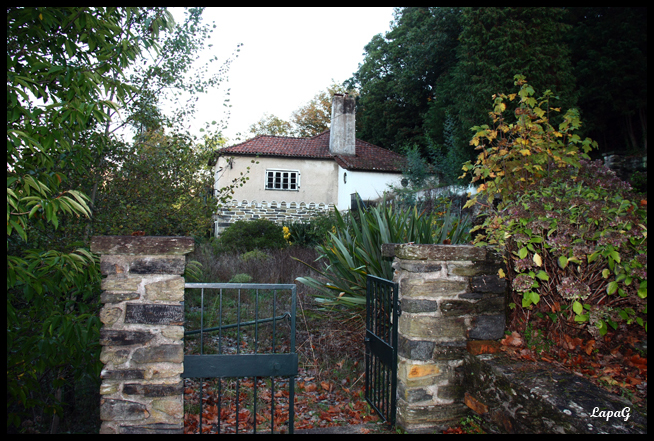
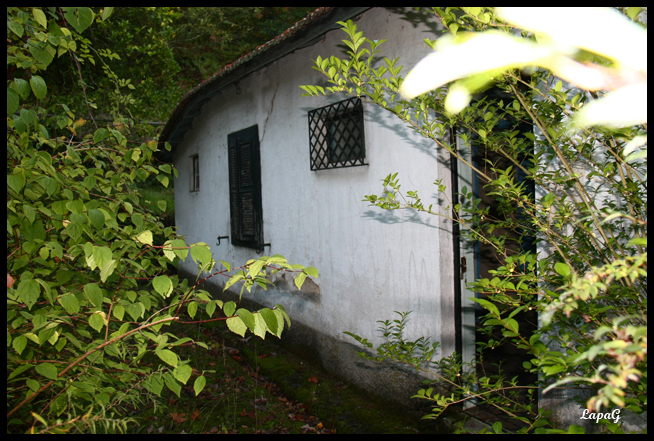
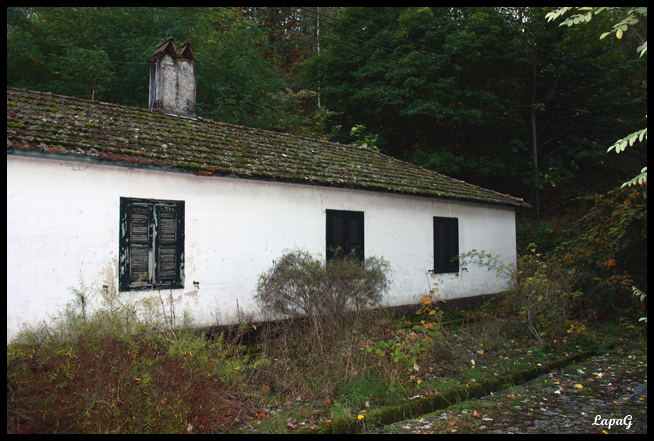
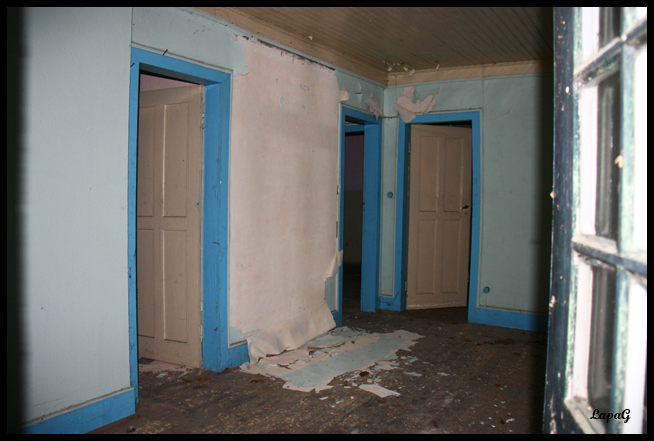
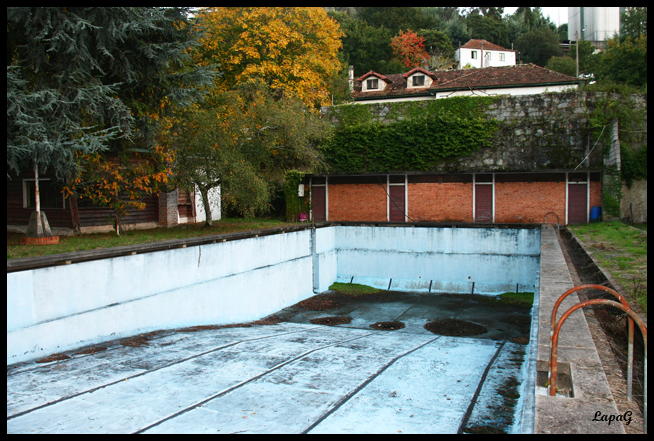
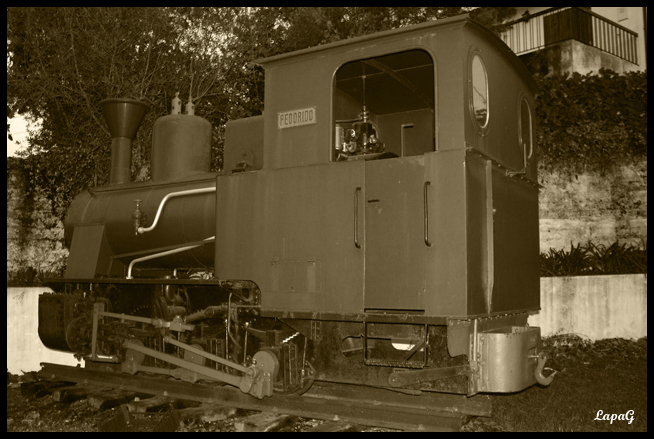
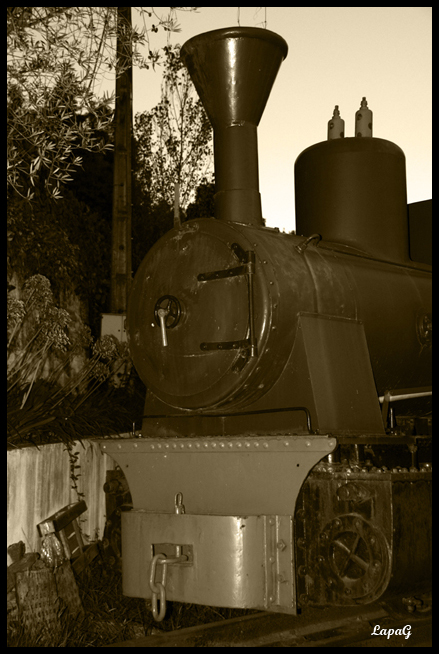
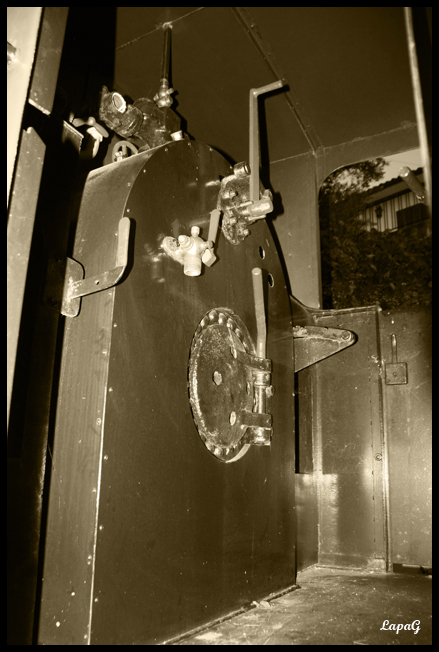
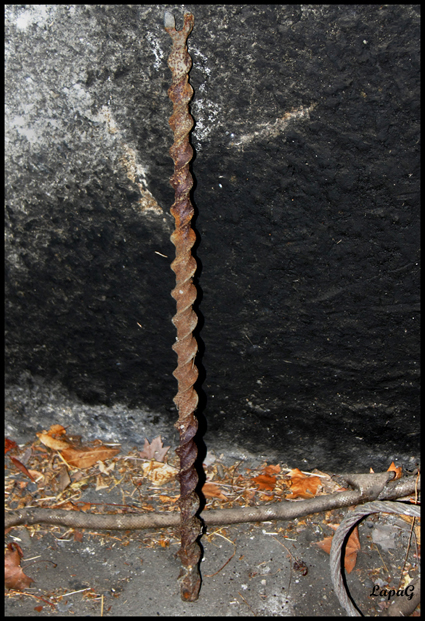
Search for information: Site Band of Pejão
Old photos 01, 02, 03, 04 and 05: Photos entered into the blog 400asas.


16 Comments
Liked a lot of your fotoreportagem mines. O mes avô, António Pacheco, encarregado these was during the decade of 40. It's a shame not to make a museum because there is an extensive photographic record of my newspaper through the Pejão. Good job!!
My Father did work on the mines when.
I will to know and see more photos of mines.
First of all congratulations for the article. I know very well the local parish and in particular. I learned to swim in the pool Germunde.
I took some photos at the site of the mines and take the liberty to leave you the link:
https://www.facebook.com/media/set/?set=a.396098017092362.78149.100000765005788&type=1&l=19778534c0
For aught I know, the mines were born in my parish that is Paradise, more properly in place of Pejão; So even the name; mines Pejão, not in the parish of Anger(place Fojo) or in the parish of Pedorido (Instead Germunde)as I have heard
I have a document dated from a,,pt,titles of action,,pt,of the Portuguese company of the mines of Gondarém,,pt,Can you tell me about the type of coal mined at this mine?,,pt 5 títulos de acção de 1881 da companhia portuguesa das minas de Gondarém.
I wish I was given permission to copy the photos or send me by email, because I'm working on the issue of landmines.
The Americo Araujo is absolutely right in what he said.
Thank you, MP
Good evening Mr.. Mario
We are delighted to provide photos for your work sets since their provenance. We would like to know which photos you want to send you email in a format the higher posted.
Cps
Caro VASCO DA GAMA, se me permite gostaria de obter todas as fotos que digam respeito às minas do Pejão. Possuo algumas similares mas de datas diferentes. O trabalho que tenciono realizar, talvez em álbum, destina-se a oferta à ADEP-Associação de Estudo e Defesa do Património Histórico Cultural de Castelo de Paiva. Claro que a proveniencia será assegurada, mas por favor diga como quer que sejam referenciadas. O meu muito obrigado.
P.S.-não sei se conhece a obra (livro) da ADEP intitulada: “Santo António de Lisboa,encontro nas Origens, Castelo de Paiva”. Se não conhece, dê-me um endereço para onde possa mandar um exemplar de oferta. Pode ser uma caixa postal-apartado dos CTT, por exemplo, para que não identifique o seu endereço.
Gostava de saber mais sobre o percurso do caminho de ferro do Pejão, nomeadamente se ligava à rede Ferroviária nacional, e onde. Thank you.
O caminho de ferro começava na aldeia de Pejão, passava pela mina do Fojo em Folgoso, seguia para Oliveira do Arda e termina nas minas de Germunde em Pedorido e não tinha ligação À rede ferroviária nacional, esta linha era para uso das minas, transporte de carvão.
I am interested in the railway from pedorido. I own the engine pedomoura which once worked there , is there anything left to see if I visit? does anyone locally have information .
The engine now works in england
Hello sir
There is no longer much to see, unfortunately, but in Pedorido and mines of Fojo- Folgoso there are still traces of mining and railway line that served to transport coal. If you want to visit the mines, I can indicate some people who know the history of the mines and has many photographs of the time and some objects of the miners.
As fotografias 2 a 6 são da autoria de Adriano Miranda, grande fotojornalista português!
Olha eu tive um tio meu trabalhou nas Pejao ele se chamava Manuel é só isso que eu sei bjs.
Bom dia.
Pode informar-me sobre o tipo de carvão explorado nesta mina?
thanks
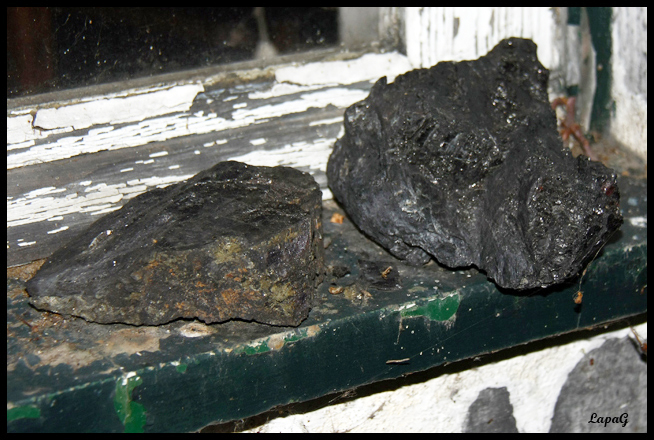
I worked at the Minas do Pejão offices in,,pt,although I am a layman in the nature of coal, I can say that there were two types of coal, that was the anthracite, hard and shiny coal and the soft coal that was initially transported to the Campanhã factory and later to the Araujo factory in Leça do Balio to make briquettes and finally started to be transported by cable car to the Tapada do Outeiro Central in Medas Gondomar,,pt 1945/1969 ainda que leigo na natureza do carvão posso dizer que havia dois tipos de carvão que era o ANTRACITE carvão duro e brilhante e o carvão mole que inicialmente era transportado para a fábrica de Campanhã e depois para a fábrica de Araujo em Leça do Balio para fazer briquetes e por ultimo passou a ser transportado por teleférico para a Central da Tapada do Outeiro nas Medas Gondomar.